Graduate Student
Department of Computer Science,
Virginia Commonwealth University, Richmond, VA, United States
Email: sharman20 (at) vcu (dot) edu



Department of Computer Science,
Virginia Commonwealth University, Richmond, VA, United States
Email: sharman20 (at) vcu (dot) edu
Exploring topics related to artificial intelligence, machine learning and data science to solve real-world challenges.
End-to-End GDOP-Based Framework for Predictive GCP Optimization and Quality Assessment in UAV Photogrammetry, U.S. Patent Application filed.
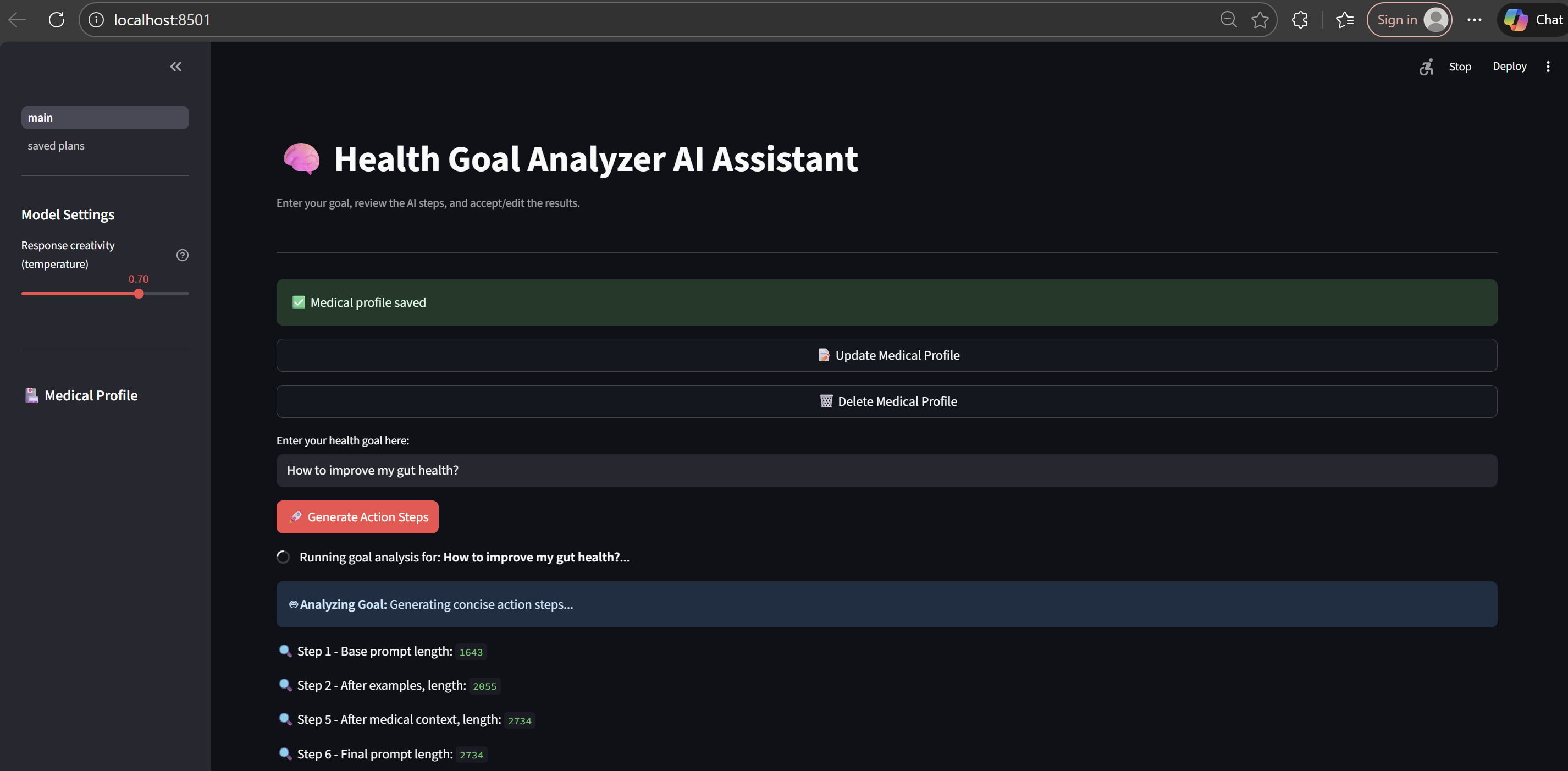
This project focussed on the development of a human-centered AI healthcare assistant focusing on trust, explainability, uncertainty quantification, and user autonomy using Python, LLMs, LangChain, and Streamlit
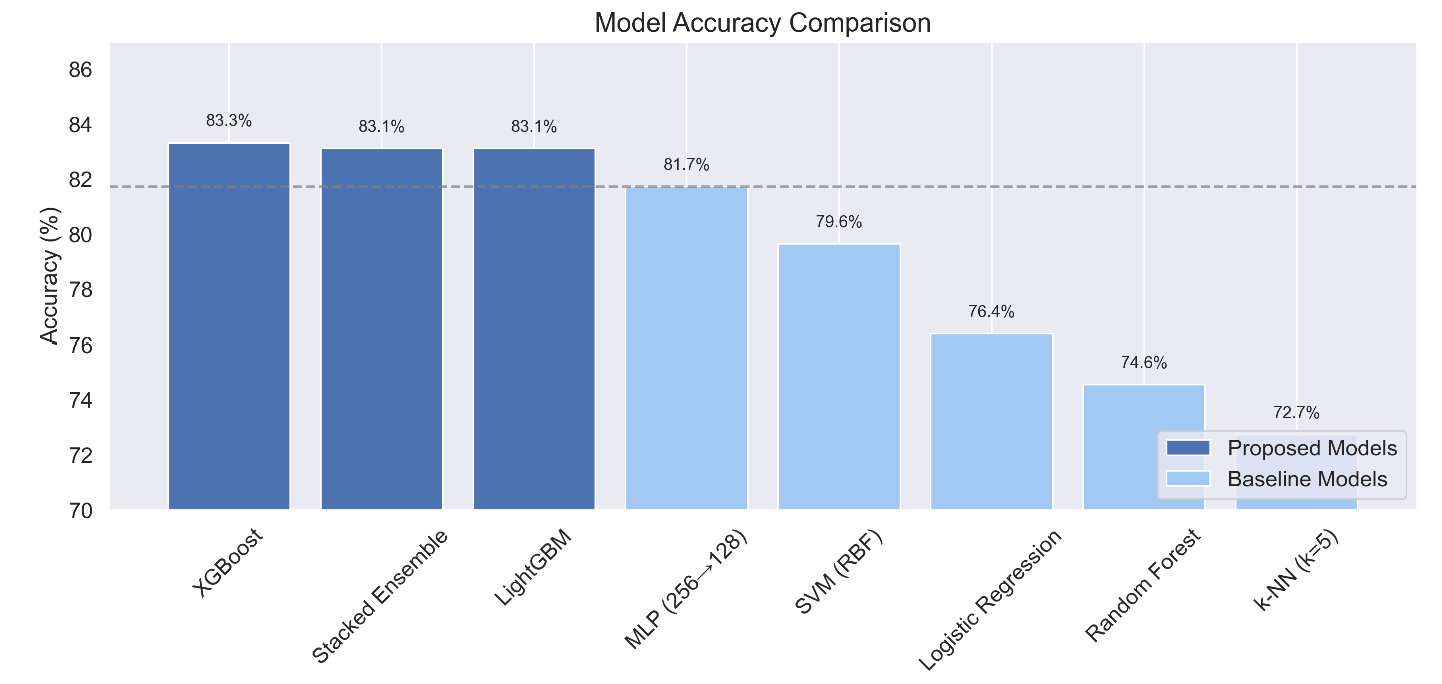
This study applies XGBoost, LightGBM, and ensemble methods to music genre classification, outperforming traditional models. Gradient boosting achieved higher accuracy and better handling of complex, imbalanced data.. This project explores advanced machine learning techniques—XGBoost, LightGBM, and stacked ensembles—for improving music genre classification using a dataset of 2,300 tracks and multi-modal features. The study demonstrates that gradient boosting models significantly outperform traditional classifiers in accuracy, recall, and F1 score, especially for imbalanced and complex musical data.
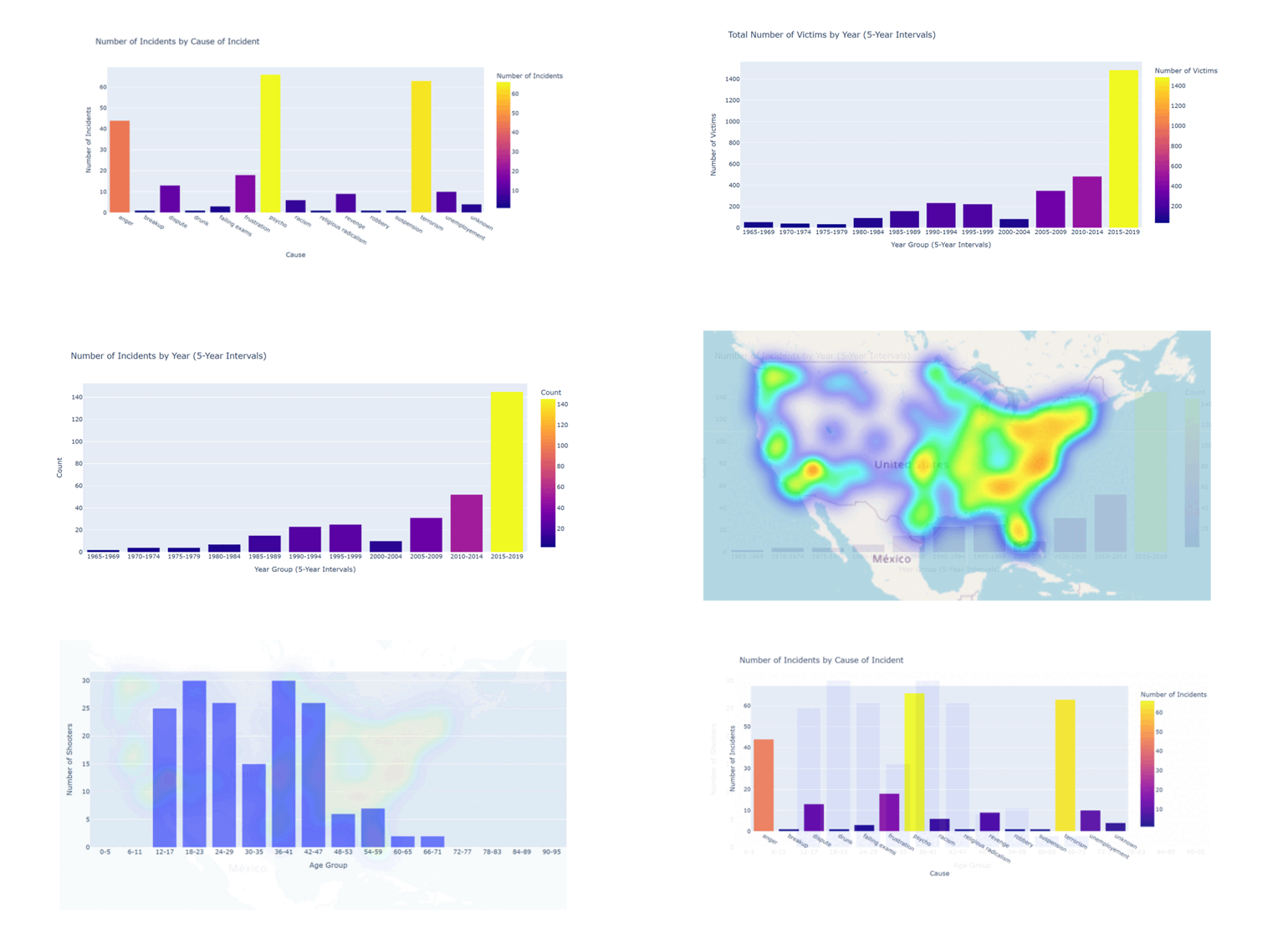
The Victim Forecast project develops a predictive tool to classify mass shooting incidents by risk levels using historical data from 1965 to 2019. Leveraging machine learning models such as decision trees, multinomial logistic regression, and Naive Bayes classifiers, the study identifies key factors - location, shooter demographics, and mental health status - that influence risk levels. Among the tested models, a decision tree with a quartile-based classification method and Youden's J statistic proved most effective in balancing recall and accuracy for detecting very high-risk incidents. This research provides actionable insights for policymakers and law enforcement to enhance public safety and proactive prevention measures.
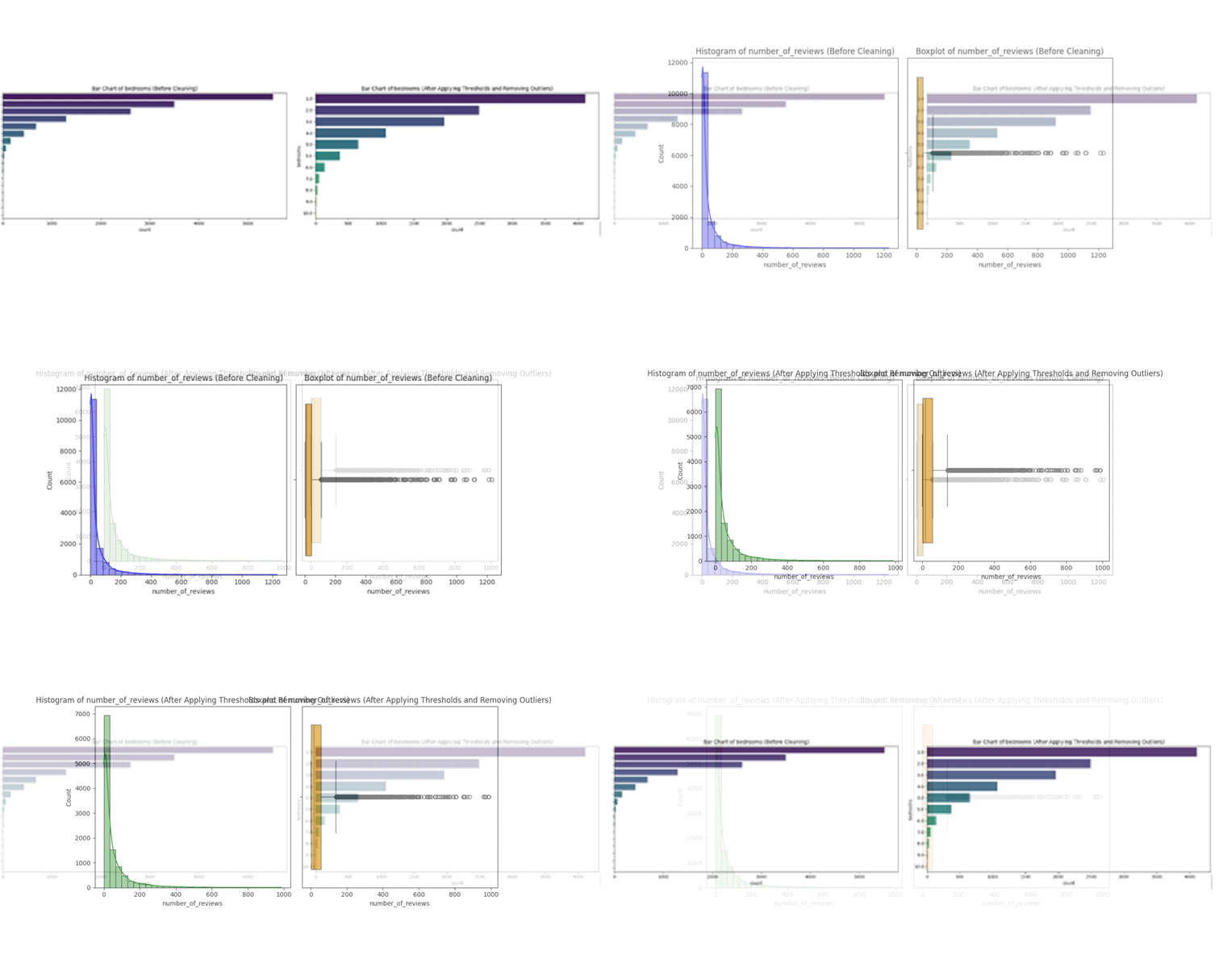
This project explores the factors influencing Airbnb booking likelihood using machine learning techniques. By analyzing property attributes, host details, and pricing data, the study employs Logistic Regression and Decision Tree models to predict whether a listing will be booked. The findings indicate that Decision Trees outperform Logistic Regression, achieving an 84% accuracy and perfect recall, making them the best choice for identifying high-likelihood bookings. These insights provide valuable recommendations for Airbnb hosts to optimize their listings and for the platform to refine its search algorithms, dynamic pricing, and marketing strategies.